Serving Utah Counties: Salt Lake, Davis, Utah, and Summit
Commercial Excavation Company Near Salt Lake County, Utah
EvoBuilt Construction LLC is Committed to superior quality and results!

AVOID COSTLY MISTAKES:
Do NOT hire an excavating contractor without first reading our free guide:
The ULTIMATE Excavation & Septic "Success Guide."

Commercial Excavation Company Near Salt Lake County, Utah
When you’re planning a commercial project in Salt Lake County, terrain, utilities, and timelines are your daily reality. You want straight answers about costs, permitting, soil conditions, and how to avoid delays that burn your budget. This page is written to give you exactly that—clear, helpful guidance on working with a Commercial Excavation Company Near Salt Lake County so you can move from concept to ground-breaking with confidence.
How Can We Help?
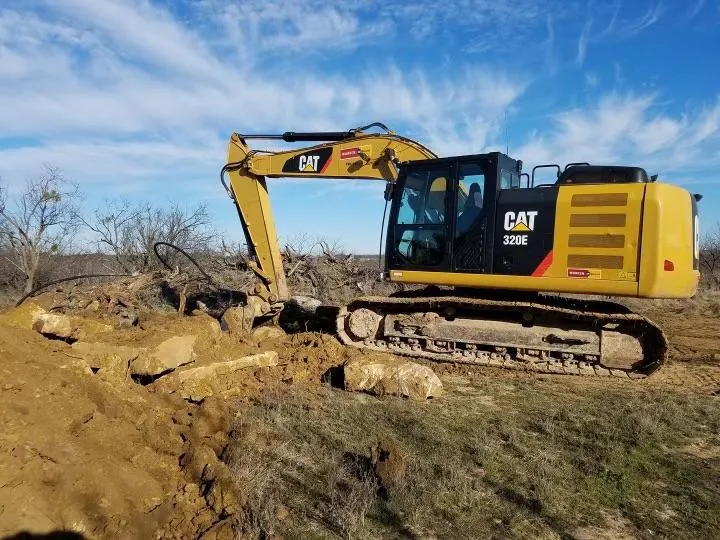
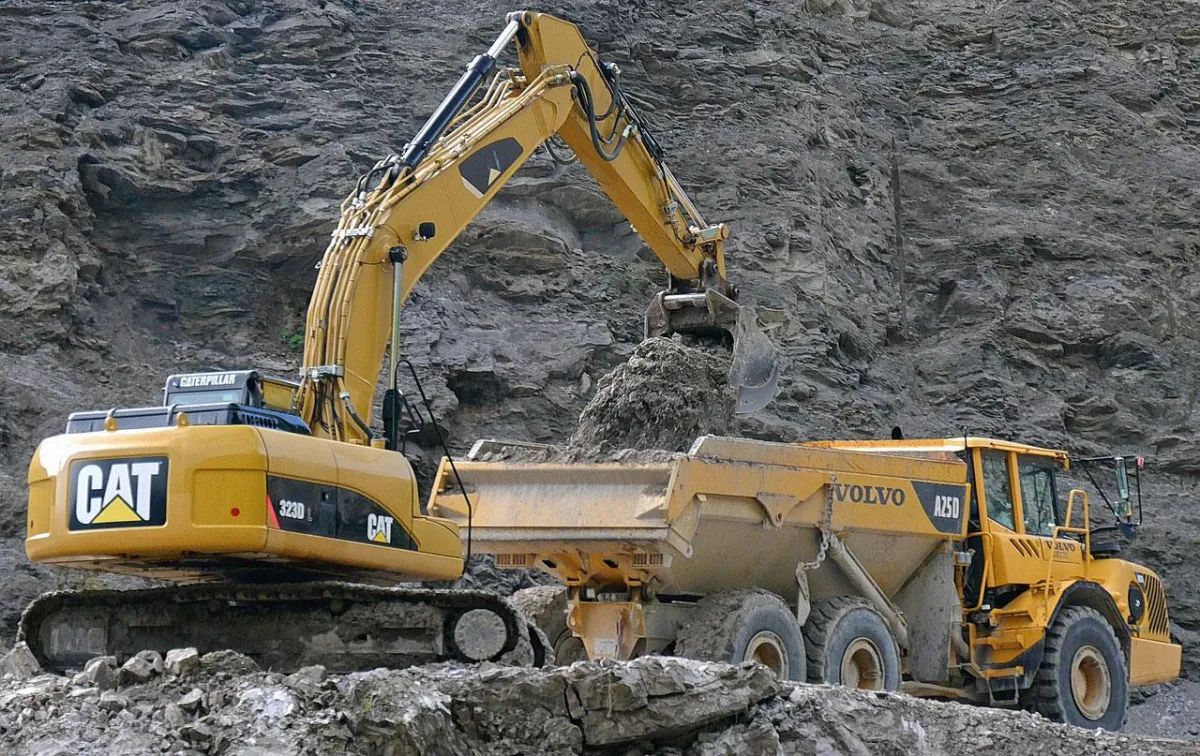
Why choose a Commercial Excavation Company Near Salt Lake County?
Local knowledge saves time and money. Crews that work throughout Salt Lake County understand variable lake-bed soils, expansive clays along the benches, and frost cycles that influence cut depths and compaction targets. They’re also versed in municipal requirements from Salt Lake City to West Jordan, stormwater rules, and utilities coordination with public and private providers. That familiarity shortens review cycles, prevents rework, and keeps your site safe, accessible, and compliant.
A capable team brings integrated services. Beyond moving dirt, they handle staking, pre-dig utility locates, erosion control, haul-off and import, trenching for power, water, gas, and telecom, and coordination with surveyors, engineers, and concrete crews. With one accountable partner, you get synchronized mobilization, fewer handoffs, and cleaner as-builts.
Communication is the difference. Transparent production goals, daily reports, and honest change-order practices protect your schedule and cash flow. You deserve a partner that shows quantities moved, compaction results, and weather impacts in plain language so you can make timely decisions.
What are the benefits?
Predictable budgets. Accurate takeoffs and constructability feedback before mobilization reduce surprises. You’ll see how soil correction, over-excavation, moisture conditioning, and under-drain allowances affect the number you take to your lender or stakeholders.
Faster approvals. A local team helps you assemble SWPPP measures, traffic control plans, and utility trench details that reviewers expect, cutting down on comments and resubmittals.
Better subgrade performance. Proper moisture, lift thickness, and Proctor targets deliver compaction that holds grade, supports slabs, and resists settlement—critical for tilt-ups, retail pads, medical offices, and light industrial sites.
Safer sites. Trained operators, spotters, and shoring practices reduce trench incidents and equipment conflicts. Clear haul routes and signage protect adjacent businesses and the public.
Cleaner neighbor relations. Dust suppression, wheel wash, and quiet-hour compliance keep inspectors and nearby tenants on your side. Fewer complaints mean fewer interruptions.
The benefits of hiring a Commercial Excavation Company Near Salt Lake County
You gain a partner who can quote quickly using current local disposal and import rates, who knows which gravel pits are open late, and who can stage equipment to avoid peak freeway congestion. They’ll anticipate freeze-thaw windows, spring runoff, and lake-effect storms that dictate when to push, when to prep, and when to cover. They also bring relationships—with geotechs for rapid compaction testing, with truck brokers for surge hauling, and with inspectors who value tidy, ready sites. That network translates into fewer idle hours, documented quality, and smoother inspections that keep your next trade on schedule.
Scope of services you can expect
Preconstruction: concept grading strategies, value engineering, early earthwork budgets, scheduling, and risk mapping for unsuitable soils or groundwater.
Sitework: clearing, grubbing, demolition, mass excavation, import/export balance, cut/fill operations, rock excavation where required, and temporary drainage.
Utilities: trenching and installation for water, sewer, storm, power, gas, and communications; manholes, catch basins, and detention features; pressure testing and mandrels in coordination with inspectors.
Stabilization: moisture conditioning, lime or cement treatment when specified, geotextiles, and underdrain systems to protect subgrades and pavements.
Environmental controls: silt fence, waddles, inlet protection, track-outs, BMP inspections, and documentation to support stormwater compliance.
Closeout: fine grading, proof-rolling, density reports, redlines, and turnover packets aligned with your lender or owner’s requirements.
See Our Excavation & Septic Services

✔️ Septic Services
✔️ Sewer Repairs
✔️ French Drains
✔️ Commercial Excavation
✔️ Residential Excavation
✔️ Swimming Pool Excavation
✔️ Basement Excavation
✔️ Demolition - smaller sheds, barns, , mobile homes, single family homes
✔️ Dozer Work
✔️ Grading, Lot Clearing
✔️ Concrete flatwork - Driveways, sidewalk, foundations
✔️ Trenching
Quality Services Launched FAST!

✔️ Traditional System Installations
✔️ Aerobic Systems
✔️ Plastic/Poly and Concrete Septic Tanks
✔️ Wood Framing
✔️ Finish Carpentry
✔️ Septic installs traditional systems
✔️ French Drains
✔️ Retaining walls
✔️ Full site preparation
✔️ Utilities Trenching
What Are You Waiting For?
What is the process for hiring a Commercial Excavation Company Near Salt Lake County?
Discovery and intent. Share site plans, a soils report if available, and your milestone dates. Expect candid feedback on risks, lead times, and cost drivers so your team can align early.
Takeoff and proposal. The contractor performs a digital takeoff from your latest set, checks utility conflicts, models the grade plan, and provides a transparent, itemized price that separates earthwork, utilities, stabilization, and environmental controls. Alternatives and assumptions are spelled out.
Preconstruction coordination. Together, you confirm haul routes, traffic control needs, SWPPP, testing agencies, and survey control. The schedule includes mobilization, production rates, inspections, and hold points for proof-rolls and utility testing.
Mobilization and safety setup. Fencing, signage, laydown areas, and BMPs go in first. Utility locates are verified. A daily safety plan addresses trench depths, benching, equipment movement, and public interfaces.
Production and reporting. Mass excavation establishes pads and roads. Utilities are followed by proper bedding and backfill. You receive daily logs with quantities, compaction results, weather notes, and photos. Issues are flagged early with solution options.
Inspection and testing. Density, pressure, mandrels, and video, where required, are coordinated and documented. Any corrective actions are executed and retested quickly.
Turnover and demobilization. Subgrade validations, as-builts, and final BMP maintenance are completed. The site is swept, stabilized, and ready for the next trade.
How to evaluate proposals
Look beyond the bottom line. Seek clarity: what’s included, excluded, and contingent? Are unsuitable soils, groundwater, or rock addressed? Is traffic control priced? Are disposal sites identified? Does the schedule recognize weather realities? Request references on similar projects and confirm change-order behavior. A strong proposal reads like a plan to win your schedule, not just win your bid.
Add a simple pilot: start with a small scope, one pad or utility run, to validate production rates, compaction, and communication. Early wins build trust and surface surprises before they become costly. Then scale confidently, backed by data and a team that delivers consistently.
Ready to move forward?
If you’re looking for a Commercial Excavation Company Near Salt Lake County, start conversations early. Share plans, request a transparent takeoff, and insist on daily reporting during operations. With the right partner, you’ll protect your budget, timeline, and safety from the first cut to the final proof roll.

Hours: Mon-Sat 7AM-7PM
Extended hours by appointment only.
Address: 14484 S EDGEMERE DR, herriman, UT, 84096
All rights reserved | Client Support Area