
Serving Utah Counties: Salt Lake, Davis, Utah, and Summit
Septic Installation near Salt Lake County, Utah
EvoBuilt Construction LLC is Committed to superior quality and results!

AVOID COSTLY MISTAKES:
Do NOT hire an excavating contractor without first reading our free guide:
The ULTIMATE Excavation & Septic "Success Guide."

Septic Installation near Salt Lake County: A Straight-Talk Overview
If you live outside city sewer lines in Salt Lake County, Utah, a dependable septic system isn’t optional—it’s how your home safely handles wastewater year-round. Here, we provide a gives playbook on selecting, planning, and completing a system that fits local soils, setbacks, and health department rules. No fluff, just exactly what you need to know to make confident decisions.
How Can We Help?
Why Septic Installation near Salt Lake County Matters in Utah’s Climate
Along the Wasatch Front, seasonal freeze-thaw cycles, lake-effect moisture, and varied soil textures—from sandy loam to dense clay—change how a system is designed and installed. A thoughtful plan accounts for water tables near the Great Salt Lake, slope, and irrigation patterns. Done right, you avoid backups, soggy yards, and costly rework. Done wrong, you risk health hazards, fines, and property damage.
Benefits of a Purpose-Built Septic System
Health and safety: Proper treatment and dispersal protect wells, groundwater, and your family.
Property value: A documented, code-compliant installation reassures appraisers and buyers.
Lower lifetime cost: Efficient tank sizing, smart piping, and correct drain field design reduce pumping frequency and emergency repairs.
Dependable performance: Systems matched to soil percolation rates handle holidays, guests, and spring runoff without drama.
Room to expand: Good planning leaves space for future bedrooms or an accessory dwelling unit.
Benefits of Hiring a Local Septic Installation Pro near Salt Lake County
Local codes and permits: Utah Rule R317-4 and county health standards evolve. A local expert stays current and pulls the right permits the first time.
Site-specific design: From bench cuts in foothills to flat, silty lots by the Jordan River, they’ve solved problems like yours before.
Vendor network: Speed matters. Local relationships with pumpers, concrete suppliers, electricians, and inspectors keep projects on schedule.
Accountability: A nearby installer can return after snowmelt, check risers and baffles, and stand behind the work.
Transparent pricing: You get line-item estimates tied to soils, tank size, trench lengths, and monitoring components.
What Drives Cost for Septic Installation near Salt Lake County
Soil testing: Perc tests and site evaluations guide system type—conventional gravity, pressure distribution, or advanced treatment.
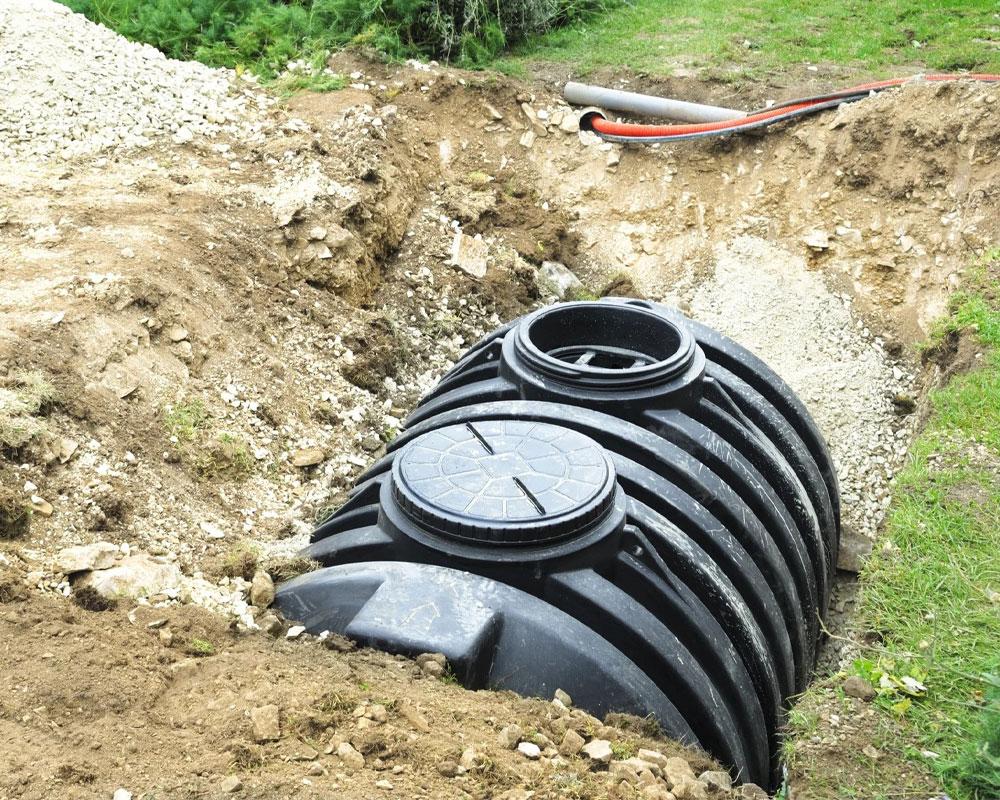
Tank size and material: Household size and code dictate capacity; concrete and poly each have pros and cons.
Drain field design: Trench length, chamber choice, gravel or gravelless solutions, and pump needs affect labor and materials.
Access and excavation: Tight backyards, large boulders, utility crossings, or winter conditions add time and equipment.
Electrical and alarms: Effluent pumps, control panels, and high-water alarms are common on sloped or high-water-table lots.
Restoration: Topsoil, seed, erosion control, and hardscape repairs round out the budget.
See Our Excavation & Septic Services

✔️ Septic Services
✔️ Sewer Repairs
✔️ French Drains
✔️ Commercial Excavation
✔️ Residential Excavation
✔️ Swimming Pool Excavation
✔️ Basement Excavation
✔️ Demolition - smaller sheds, barns, , mobile homes, single family homes
✔️ Dozer Work
✔️ Grading, Lot Clearing
✔️ Concrete flatwork - Driveways, sidewalk, foundations
✔️ Trenching
Quality Services Launched FAST!

✔️ Traditional System Installations
✔️ Aerobic Systems
✔️ Plastic/Poly and Concrete Septic Tanks
✔️ Wood Framing
✔️ Finish Carpentry
✔️ Septic installs traditional systems
✔️ French Drains
✔️ Retaining walls
✔️ Full site preparation
✔️ Utilities Trenching
What Are You Waiting For?
The Step-by-Step Process: Hiring for Septic Installation near Salt Lake County, Utah
Discovery call: Share bedroom count, fixtures, water usage, and any known well/septic history.
Site visit: Measure setbacks from wells, streams, and structures; flag utilities; note slope, soil moisture, and access.
Testing and design: Perc tests, soil logs, and load calculations determine tank size, field layout, and treatment type.
Permit application: Submit stamped drawings to the county health department and coordinate any required variances.
Scheduling and prep: Lock in tank delivery, locate mark-outs, and stage erosion controls before excavation.
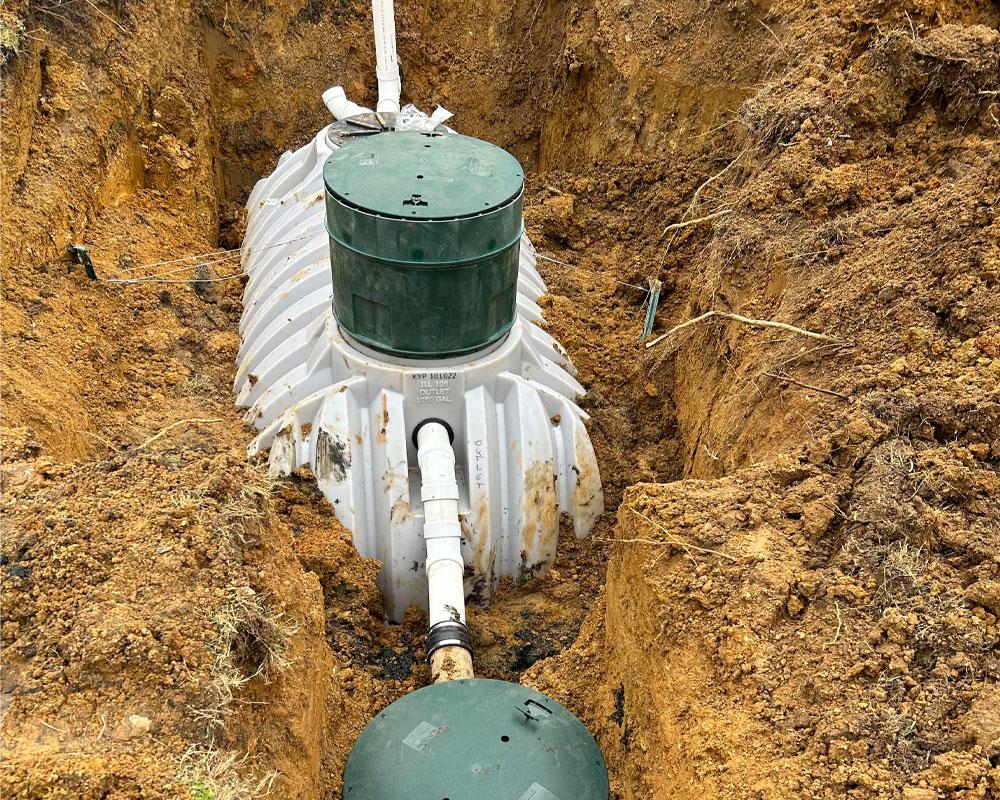
Excavation and tank set: Dig to plan, place bedding, set tank level, install inlet/outlet baffles, and verify elevations with a laser.
Distribution system: Build trenches or beds, install chambers or pipes, set dosing equipment, and pressure-test as required.
Backfill and grading: Compact in lifts, shape positive drainage away from lids, and install risers for easy future access.
Inspection and approval: Walk the inspector through the plan, confirm setbacks, and document as-builts for your records.
Owner handoff: Receive a maintenance schedule, pump-out intervals, and dos/don’ts to protect the field.
Choosing the Right System Type in Utah
Conventional gravity: Reliable where soils drain well and elevation drop allows passive flow.
Pressure distribution: Evens out dispersal on marginal soils or long, level trenches.
Advanced treatment units (ATUs): Pre-treat effluent to meet stricter standards or small lot constraints.
Mound or raised systems: Used when groundwater or bedrock is shallow; requires careful winterization and landscaping.
Drip dispersal: Precise dosing beneath landscaping; useful on slopes and sensitive sites.
Smart Maintenance from Day One
Plan for risers at grade, effluent filters, and an accessible cleanout. Track household water spikes, route roof and footing drains away from the field, and keep vehicles off the dispersal area. Pumping intervals vary, but a typical three-bedroom home with a properly sized tank often pumps every 3–5 years, depending on use and fixtures.
Straight Answers to Common Buyer Concerns
Timeline: Many projects move from testing to final grade in 2–6 weeks, depending on permits, weather, and inspections.
Winter work: Cold-weather installs can be done with frost mitigation and careful bedding to protect pipes.
Landscaping: Expect a construction zone; plan final plantings after a full season of settling.
Additions: If you plan an extra bedroom later, size the tank now and reserve the area for a replacement field.
How to Compare Bids for Septic Installation near Salt Lake County, Utah
Ask for scope clarity: soil testing, design, permits, tank size and material, field type, pump specs, electrical, alarms, restoration, and post-install check-ins. Require elevations on the drawing, trench lengths, and a written maintenance plan. A clear proposal beats a cheap mystery every time.
Your Next Step
If you’re ready to move forward in Salt Lake County, Utah, start with soils and a code-smart design. With the right plan and a transparent installer, septic installation becomes a confident, one-time investment that protects your home, your water, and your wallet. Start today.

Hours: Mon-Sat 7AM-7PM
Extended hours by appointment only.
Address: 14484 S EDGEMERE DR, herriman, UT, 84096
All rights reserved | Client Support Area